Inside or Outside: Which Approach Works Best for a Leaking Roof?
When a roof starts leaking, the immediate instinct is to patch it from inside the attic, where the stain is visible. That is a natural response, but it is not always the right one. The decision to repair from inside or outside depends on the nature of the leak, the roofing material, and what damage has already occurred. Understanding the trade-offs helps you choose the approach that stops the water without creating bigger problems later.
What a Leak Tells You About Where to Start
Water finds the path of least resistance. A water stain on a ceiling means water has traveled from the roof deck down through the underlayment, past attic insulation, and into the interior. That path narrows the possible causes: a damaged shingle, a crack in the flashing around a roof penetration, or a failed seal at a drip edge. The location of the stain and the direction of the water trail give clues, but they do not always point to the exact point of entry. That is why the first step is always to inspect from both sides, if possible, before deciding on the fix.
From inside, you can see the back side of the roof deck and spot rot, mold, or delaminated plywood. From outside, you can see the condition of the shingles, the flashings, and the drip edge. Each vantage reveals different information. A good roof leak repair process considers both views before settling on a method.
Repairing from the Outside: The Direct Fix
Working from the outside is usually the definitive repair. It addresses the source of the leak rather than just the symptom. If a shingle is cracked, a flashing joint is open, or a pipe boot is torn, the fix is to replace or reseal those components from above. This approach keeps water from ever reaching the deck, which protects the underlayment and the structure below.
Outside repairs work best when the weather is dry and the roof slope is safe to walk. They are ideal for:
- Missing or broken shingles or tiles
- Damaged roof flashing around chimneys, vents, or skylights
- Failed seals around roof penetrations like plumbing vents or exhaust fans
- Corrosion or cracks at the drip edge or metal valleys
- General wear from stormwater exposure over time
When you fix from outside, you are restoring the primary barrier. That is the most durable way to stop a leak. But it requires good conditions: a dry day, safe footing, and the right materials. If you cannot get onto the roof safely, or if the leak happens during a storm, an outside repair may not be possible immediately.

Repairing from the Inside: A Smart Temporary Stop
Inside repairs are often faster and safer, but they are usually temporary. The goal is to stop water from entering the living space until an outside fix can be done. An inside repair might involve sealing a crack in the roof deck from below, applying a patch to the underlayment, or directing water into a bucket or temporary drain. In some cases, you can spray a sealant or insert a temporary plug into a hole from the attic side.
Inside work is especially useful when:
- Access to the roof is dangerous due to steep slopes, ice, or wet conditions
- The leak is small and located directly under a roof penetration that is accessible from the attic
- You need to buy time until a roofing contractor can schedule an outside repair
- The leak is coming from a seam or joint that is easier to reach from below
- You want to confirm the exact entry point by tracing water trails inside the attic
An inside fix can stop the immediate damage to attic insulation and drywall, but it does not address the root cause. Water that is kept out of the living space may still seep into the roof deck if the outside seal is broken. Over time, moisture trapped in the deck or underlayment leads to rot and mold. An inside repair should always be followed by an outside inspection and a permanent fix as soon as conditions allow.
When Inside Work Is the Only Practical Option
There are situations where an inside repair is not just a stopgap but the best choice. For example, if the leak is caused by a failed sealant around a roof penetration that sits deep inside a built-up valley, the outside fix might require removing a large section of roofing. In that case, sealing the penetration from the attic side can be less invasive and just as effective, especially if the underlayment is intact. Similarly, if the roof is made of a material that is hard to match, like certain slate or clay tiles, patching from inside avoids disturbing the visible surface.
Another scenario is when the roof is under warranty or is part of a multi-layer system where the top layer is not the cause. A leak through a flat roof with a single-ply membrane might be fixed from inside by injecting sealant at the seam. The key is knowing the roof construction and understanding whether the inside fix is actually solving the problem or just redirecting the water.
Signs That an Inside Repair Will Not Be Enough
Some leaks are beyond what an inside patch can handle. If the roof deck is rotted or the underlayment is torn, no amount of interior sealant will hold. Water will find another route around the patch. Similarly, if the leak is coming from a failed drip edge or a gap at the eaves, the water may be entering the structure from below the roof deck. In that case, only an outside repair to the edge flashing or gutter line will stop it.
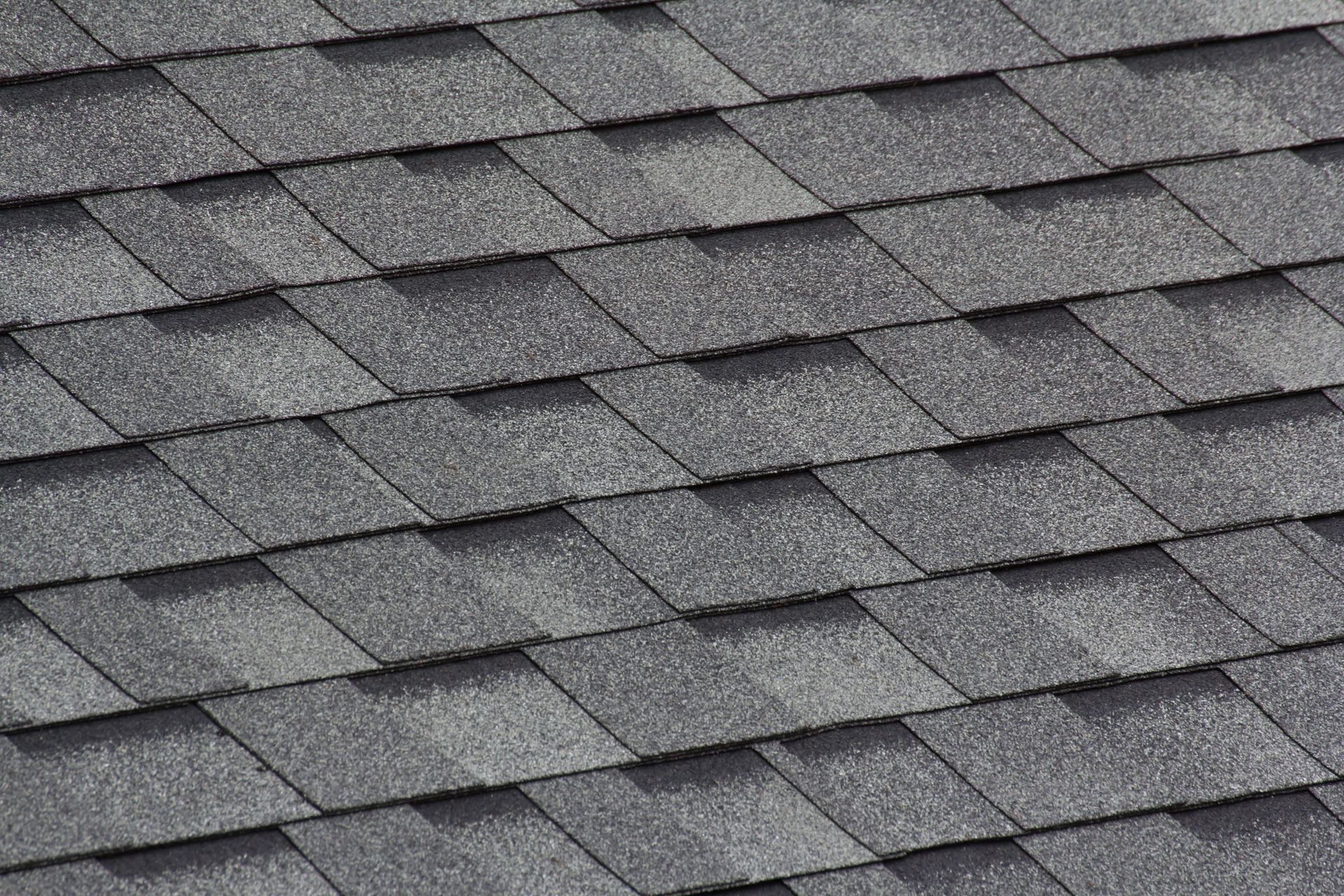
A good rule of thumb is that if the water stain is growing or if you see daylight through a crack in the deck, the fix needs to happen from outside. The same applies if the leak is near a roof valley or a chimney, where flashing is involved. Flashing failures almost always require an outside repair because the metal or rubber components need to be lifted, cleaned, and resealed.
How to Decide: A Practical Approach
Start by inspecting the interior. Look for the high point of the water stain. In the attic, trace the trail of moisture back to the point where it first appeared on the underside of the deck. Mark that spot. Then, if safe, go outside and examine the area directly above that mark. Look for damaged shingles, open seams, or gaps in the flashing. If you can identify a clear outside cause, that is where the permanent fix belongs.
If the outside inspection is not possible right away, or if the cause is not obvious, an inside repair can stop the immediate leak. Use a patch that is compatible with the roof deck material. For wood decks, a piece of plywood and roofing cement can work as a temporary measure. For metal decks, a rubber patch and sealant may be better. The patch should be large enough to extend beyond the damaged area by several inches on each side.
Do not rely on expanding foam or silicone caulk alone. Those products are not designed for long-term exposure to moisture and movement. They can crack or shrink, leaving you with the same leak later. A proper inside repair uses materials meant for roofing, such as flashing tape or butyl sealant, that stay flexible and bond well to the deck.
The Risks of Doing Only One Side
Choosing only an inside patch and never addressing the outside can lead to bigger problems. Trapped moisture accelerates decay in the structural deck. It also creates a perfect environment for mold, which can affect indoor air quality. Over time, the deck may sag or fail, requiring a full roof replacement rather than a simple repair. That is why a thoughtful roof leak repair always asks the question: "Is this solving the cause or just the symptom?"
On the other hand, focusing only on an outside fix without checking the interior can miss damage that has already started. A small leak that went unnoticed for weeks may have soaked the attic insulation and started rotting the deck from below. Replacing a few shingles without addressing that trapped moisture leaves the structure vulnerable. The best approach is a combination: an outside repair to stop the entry point and an interior inspection to assess and dry out any wet materials.
When to Call a Professional
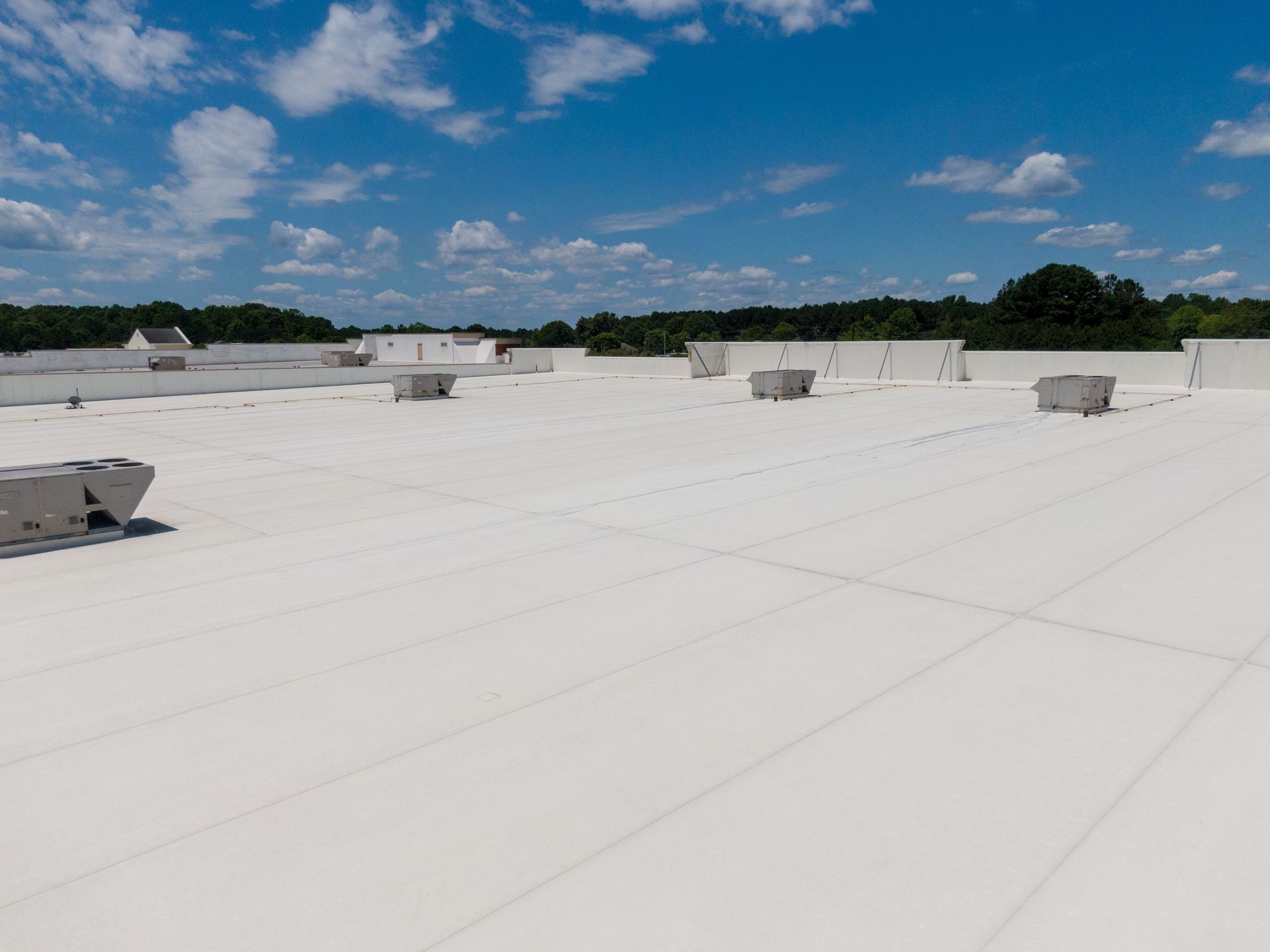
If you cannot safely access the roof, or if the leak involves complex areas like multiple roof penetrations, skylights, or flat roof membranes, it is wise to get a professional assessment. A roofer can evaluate both the inside and outside conditions and recommend the right sequence of repairs. They have the tools and materials to make the fix last.
Ready Roofing, LLC, located at 5105 Philips Hwy Ste 205, Jacksonville, FL 32207, USA, can be reached at +1 904-404-9849. Ready Roofing provides residential and commercial roof repairs, replacements, inspections, and storm damage restoration across Northern Florida, and they can help determine the best approach for your specific situation.
No matter which side you start from, the goal is the same: stop the water, protect the structure, and avoid a repeat leak. Inside or outside, the right choice is the one that addresses the real source of the problem.
READY ROOFING, LLC is also on Instagram.